
Spring Cleaning and Mental Health: The Power of a Fresh Start
Spring cleaning has deep roots in both tradition and practicality. Long before modern cleaning products and home organization trends, people used the arrival of spring as a natural reset point. After a long winter of closed windows, soot from fireplaces, and time spent indoors, homes needed a thorough cleaning. Many cultures also tied spring to renewal and fresh beginnings—whether through religious traditions, seasonal festivals, or simply preparing the home for warmer weather and more daylight.
Today, spring cleaning is still valuable, but not just for your house—it can also be powerful for your mental health. A cluttered space can make the mind feel crowded, adding to stress and making it harder to focus. Cleaning, organizing, and letting go of what you no longer need can create a sense of control and calm. It also gives you a visible win, which can boost motivation and mood.
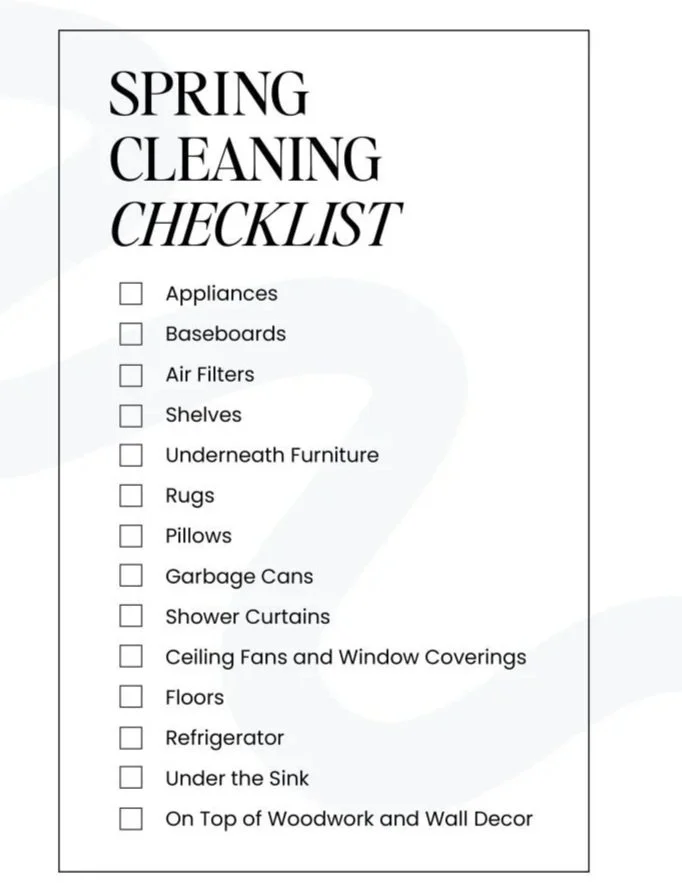
Spring cleaning is more than a chore. It’s a seasonal ritual of renewal—clearing out physical clutter so you can make more room for clarity, energy, and peace. Now the age old question is, “where do I start?”

Valentine’s Day Wellness: Simple Couples Practices to Feel Closer, Calmer, and Recharged
Valentine’s Day doesn’t have to be all reservations and roses. If you want a celebration that actually adds to your relationship, try making it a wellness day—one that helps you both feel calmer, closer, and recharged. Here are couples wellness practices that turn the holiday into something meaningful (and repeatable).
1) Start the day with a “slow morning”
Before phones and to-do lists take over, take 10–20 minutes to be intentional:
Make coffee or tea together
Sit side-by-side (no screens)
Share one thing you appreciate about each other and one thing you’re looking forward to
It’s simple, but it sets the tone: connection first.
2) Do a mini movement date
You don’t need a big workout—just move your bodies together:
A walk in a favorite neighborhood or park
A short yoga/stretch session at home
A “choose-your-own” gym session followed by smoothies
Movement reduces stress and boosts mood, which makes everything else feel easier.
3) Make a feel-good meal at home
Cooking together can be surprisingly intimate—especially when it’s low pressure. Pick a meal that feels nourishing and fun:
A colorful “build-your-own” dinner (grain bowls, tacos, pasta bar)
A simple protein + veggie + side you both love
A shared dessert (fruit + dark chocolate, yogurt parfaits, baked apples)
Pro tip: put on music, light a candle, and keep the kitchen vibe playful.
4) Try a two-person reset ritual
This is where Valentine’s Day becomes a wellness holiday. Choose one:
Bath or shower ritual: warm water, calm music, lotion or massage oil
10-minute back/shoulder massage swap: set a timer so it feels fair
Foot soak + gratitude: soak feet, then share a favorite memory from the last year
It’s relaxing—and it creates closeness without forcing “deep talk.”
5) Do a quick relationship check-in (the kind that feels good)
Keep it positive and short—15 minutes total:
What’s been working really well for us lately?
What’s one small thing that would make next week easier?
What’s one thing we want more of this month? (fun, rest, dates, help, etc.)
Think of it as alignment, not a meeting.
6) End with a screen-free wind-down
Finish the day with something that helps you sleep and feel connected:
Herbal tea + a short stretch
Read a few pages of a book out loud (even a chapter is cute)
“High/Low/Grateful”: your best moment, hardest moment, and something you’re grateful for
Better sleep is one of the most underrated relationship upgrades.
Valentine’s Day wellness isn’t about doing more—it’s about choosing practices that make you feel good together. And the best part? If you love how it feels, you can keep one small ritual going long after February 14th.